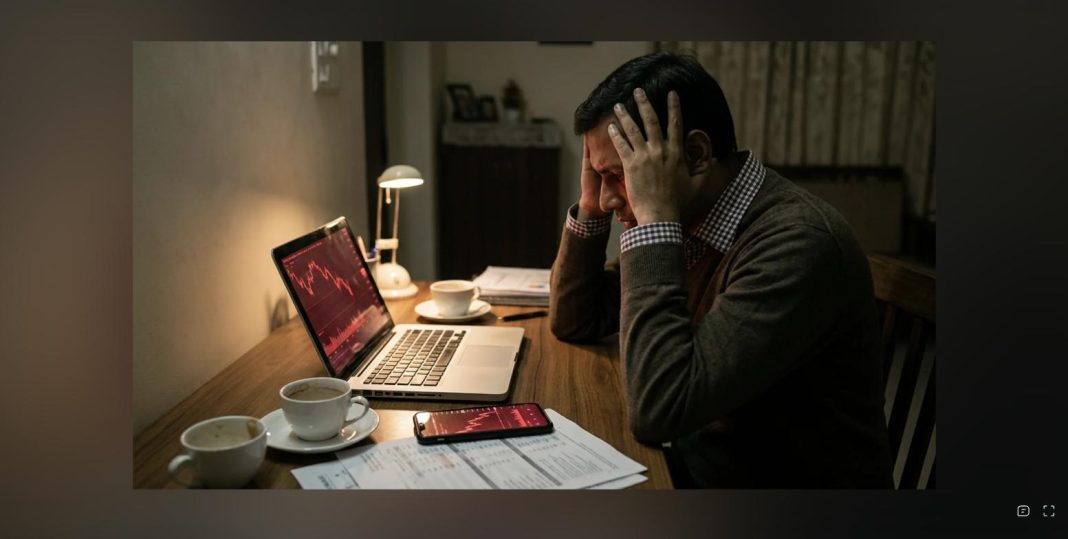

I still remember my first trade. A friend gave me a “sure-shot” tip, I put in money I could barely spare, and for two days I felt like a genius. On the third day the stock cracked, and along with it, my confidence. I sold in panic, booked a loss, and then watched the same stock climb back up a week later. I had done everything wrong in the span of five days, and the funny part is, I thought I was being smart the whole time. If you have ever felt this, you already know one big reason Indian retail investors lose money.
Years later, I realise my story is not special. It is the story of the Indian retail investor, repeated across millions of demat accounts. Every bull run brings a fresh crowd of first-timers armed with a trading app, a WhatsApp group, and a dream of quick money. And every cycle ends the same way, with the majority poorer and wiser, or sometimes just poorer. The uncomfortable truth is simple: most Indian retail investors still lose money. The real question is, why do we keep doing it?
The numbers: how often retail investors lose money
This is not my opinion. It is not a grumpy uncle’s warning at a wedding. It is data, and it is public. SEBI, our own market regulator, studied traders in the Futures and Options segment and found that the vast majority of individuals lost money, while only a tiny fraction walked away with profits. Read that again. Nine out of ten, give or take, handed their money to someone smarter, faster, or simply more patient on the other side of the trade.
The intraday equity story is not very different. Once you subtract brokerage, taxes, and the endless small fees, most active traders end the year in the red. The money does not disappear into some black hole. It quietly moves from the many to the few, from the excited to the disciplined. And here is the part that always amazes me: everyone can see this data, yet the queue of new traders only gets longer. Why?
We are wired to lose
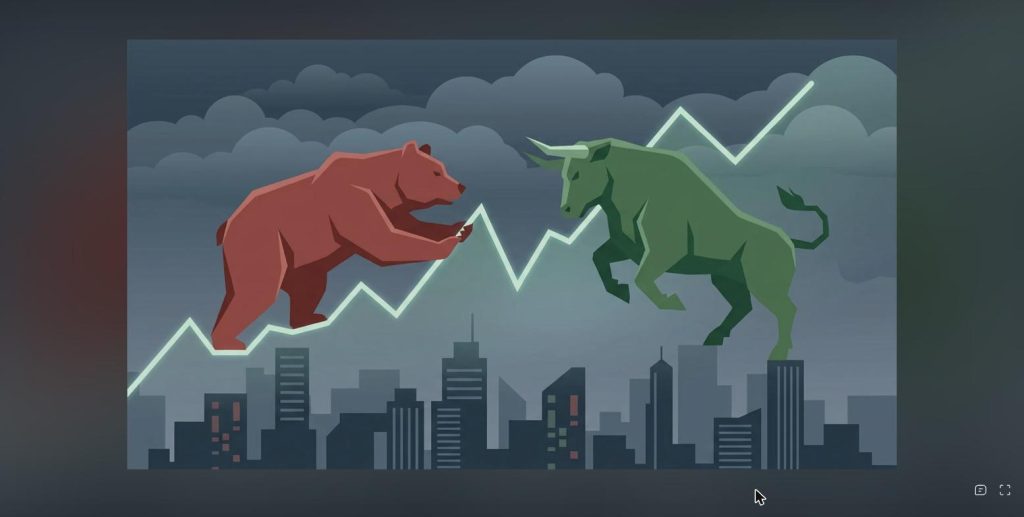
I have written before that emotions are stronger than rationale. Nowhere is this truer than in the stock market. We know we should buy low and sell high, yet we do the exact opposite. When the market is soaring and the neighbour is bragging about his returns, greed takes over and we jump in at the top. When the market falls and fear grips the room, we sell at the bottom to “protect” what is left. Buy high, sell low, repeat. It is almost a ritual.
Daniel Kahneman spent a lifetime showing us that the human mind is not the cool, calculating machine we imagine it to be. A loss hurts us far more than an equal gain pleases us. So we hold on to losers hoping they will “come back”, and we sell winners too early to lock in a small, comforting profit. The market does not punish stupidity. It punishes emotion, and it does so with surgical precision.
The illusion of the tip
Somewhere in India, right now, someone is receiving a message: “Buy this stock, target doubled in one month, trust me.” And someone is acting on it. We love a shortcut. We love the idea that a friend, a Telegram channel, or a smooth-talking YouTuber has cracked a code that the entire financial industry has missed. Ask yourself honestly, if the tip were truly that good, why would anyone share it for free?
The uncomfortable answer is that many of these tips exist to trap you, not to enrich you. Operators pump up small stocks, retail piles in on the tip, and once the price is high enough, the smart money quietly exits, leaving the crowd holding worthless paper. We have seen this play out again and again, yet the next tip always feels different. It never is.

Mistaking a bull market for genius
There is an old saying on Dalal Street that in a rising market, everyone is a genius. When the tide lifts every boat, we credit our own brilliance for the gains. We forget that we simply happened to be standing in the right place at the right time. Then the tide turns, the gains evaporate, and suddenly the same person who was giving advice at every dinner table goes quiet.
This false confidence is dangerous because it makes us take bigger and bigger risks. A few lucky wins and we start believing we cannot lose. We add leverage, we bet on options we do not understand, we put in money meant for the children’s school fees. The market has a cruel way of teaching humility, and it usually sends the bill when we can least afford it.
No patience, no plan
The kids in my life taught me that perseverance always pays, and the market teaches the same lesson to anyone willing to listen. Real wealth in the stock market is boring. It is built slowly, over decades, through the quiet compounding of good businesses. But boring does not sell. We want returns this quarter, this month, this week. So we churn our portfolio, chase the hot sector, and in doing so we hand over a steady stream of our capital to brokerage and taxes.
Most of us also invest without a plan. We do not know why we are buying, when we will sell, or what we will do if the price falls twenty percent. Without a plan, every red candle becomes a crisis and every green one a temptation. As they say, if you fail to plan, you plan to fail. In the market, that failure has a very precise rupee value.
So how do retail investors lose money less often?
I am no guru, and this is not investment advice. But after enough scars, a few simple truths have stayed with me. Invest only in what you understand, and if you cannot explain the business to a ten-year-old, stay away. Give your money time, because compounding is the eighth wonder of the world and it rewards patience, not activity. Keep your costs and your ego low, since both quietly eat your returns.
Above all, learn from your failures instead of hiding them. The market will teach you the same lesson repeatedly until you finally pay attention. Every loss I booked was a tuition fee, and the education was worth it only because I chose to learn. Most people simply pay the fee and drop out of the class.
The mirror: why retail investors lose money
Indian retail investors do not lose money because they are foolish. They lose because the market is a mirror, and it reflects back every bit of our greed, fear, impatience, and pride. The enemy is not the FIIs, the operators, or the big bad institutions. The enemy, more often than not, is the person staring back at us from the trading screen.
The good news is that the one variable we can actually control is ourselves. Master your temperament, respect time, stay humble, and the odds slowly begin to tilt in your favour. So the next time a hot tip lands in your inbox, pause and ask yourself the only question that matters: am I investing, or am I just gambling with extra steps? Think it over. What will you change before your next trade???
